

The Psychology Behind "Close Friends": How to Monetize Exclusive Content
There is something different about seeing that green Close Friends ring.
A regular Story says, “Here’s what I’m posting.” A Close Friends Story says, “This is for a smaller group.” That one shift changes the emotional temperature immediately. It feels more personal, more deliberate, and more worth paying attention to. That is exactly why the Instagram Close Friends feature has such strong strategic potential. Instagram and Meta consistently position the platform around helping people feel closer to others and, for creators, turning that connection into a living. Meta also maintains official guidance for building exclusive content through Instagram subscriptions, which tells you something important: private-feeling content and paid access are not fringe behaviors on the platform. They are already part of the ecosystem.
That does not mean Close Friends is a magic revenue button. It is not. If anything, it is better understood as a positioning tool than as a feature in isolation. When you use it well, it changes how people interpret value, closeness, and access. It can make your content feel more intentional, more curated, and more worth paying for. But only if the offer is clear and the content genuinely feels different from what people already get for free.
That is where most creators get this wrong. They treat exclusivity as the product. It is not. Exclusivity is the wrapper. The product is still the insight, access, speed, usefulness, personality, or support inside it.
Why Close Friends Feels More Personal Than a Normal Story
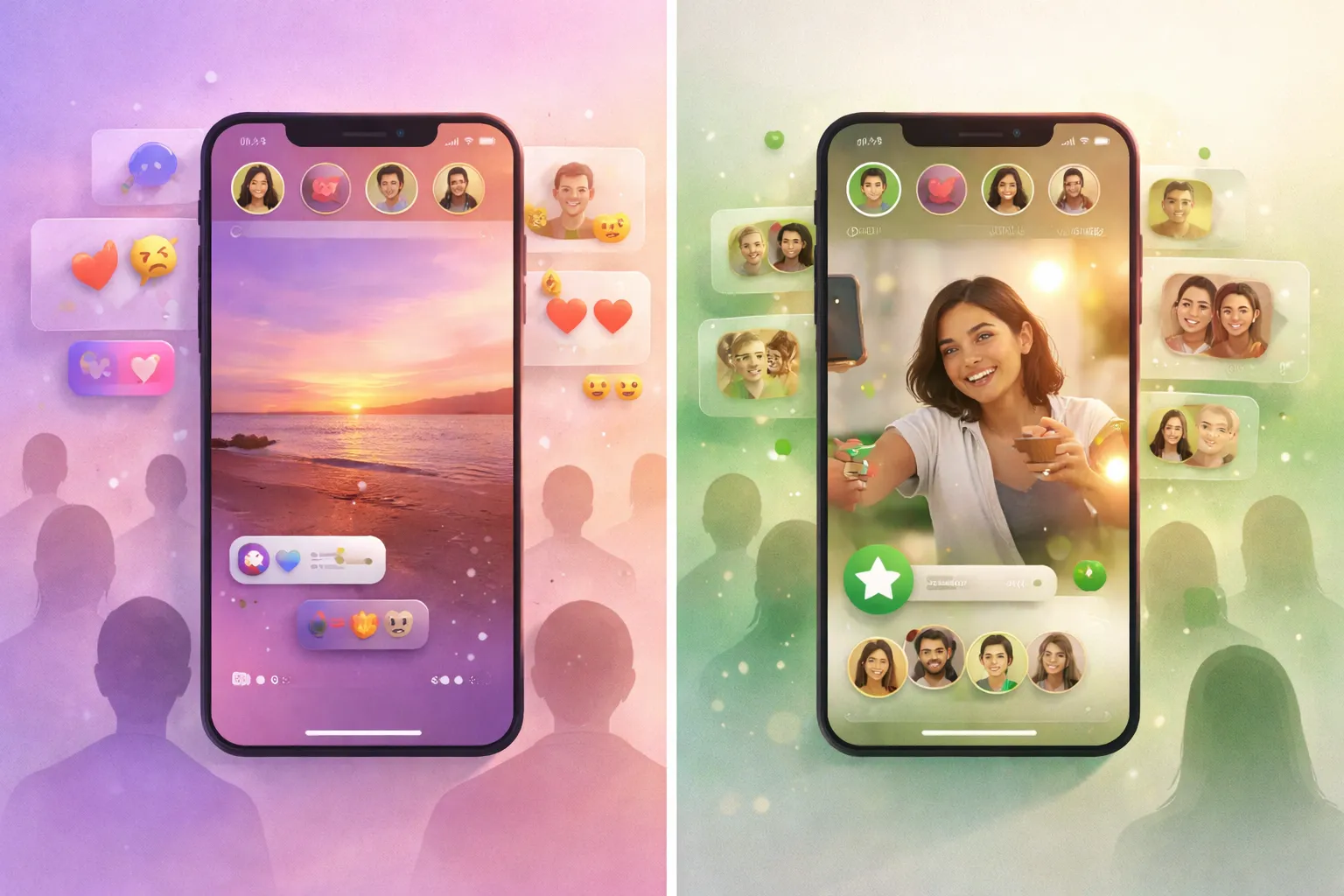
Close Friends works because it triggers a simple psychological response: people pay more attention when they believe something is not for everyone.
That is not just about scarcity in the abstract. It is also about belonging. Public Stories are broadcast. Close Friends content feels selected. Even if the list is large, the experience still suggests curation. And curation changes behavior. People tend to respond more thoughtfully in smaller spaces because the content feels less performative and more relational.
There is also less noise. A Close Friends Story does not compete with the same expectation as a public Story. People assume it may be more honest, more immediate, or more revealing. That perception alone can lift interest. Not because the content is always better, but because the context changes how it is received.
This matters for monetization. If a format naturally increases attention and perceived value, it becomes easier to attach a paid layer to it. Not a manipulative one. A well-positioned one.
The Psychology of Exclusivity, Intimacy, and Access

You do not need a textbook definition of psychology to understand why this works. You see it everywhere.
People value what feels limited. They trust what feels human. And they are more likely to pay when an offer feels specific to them rather than mass-produced for everyone.
Close Friends pulls on all three.
- First, there is exclusivity. A smaller audience makes the content feel more important. That does not automatically make it more valuable, but it raises perceived value before the first frame even loads.
- Second, there is intimacy. Private story content often feels more relaxed and less polished. That creates a sense of access to the person behind the brand, not just the public-facing version of them. For creators, coaches, and personal brands, that shift can be especially powerful.
- Third, there is belonging. People do not only want information. They want to feel like they are inside something. A paid Close Friends strategy can work because it gives followers a soft version of membership without requiring a full community platform.
None of this means people will pay simply because they like feeling special. They pay when that feeling is attached to something concrete: earlier access, better advice, more context, faster answers, or more honest behind-the-scenes content.
Why This Can Work as a Monetization Channel

If you want to monetize Instagram Stories, Close Friends gives you an elegant middle layer between public content and a full-blown paid product.
For some businesses, that might mean a VIP list for loyal customers. For some creators, it might mean a paid inner circle for bonus education or real-time commentary. For a coach, it might mean mini coaching drops, private prompts, or weekly check-ins. The point is not to charge for “more Stories.” The point is to charge for a different experience.
That distinction matters. Official Meta guidance around Instagram subscriptions centers exclusive content formats, not vague exclusivity for its own sake. In practice, the strongest monetization models do the same thing: they define what people get, how often they get it, and why it is worth paying for.
A good Close Friends marketing strategy usually fits one of these buckets:
- Paid access to deeper insight: This works well for educators, analysts, consultants, and creators with a clear point of view. The public account gives broad value. Close Friends gives sharper breakdowns, faster takes, or more candid context.
- VIP access to product drops or offers: This suits ecommerce brands and service businesses. You are not selling intimacy. You are selling priority: early access, private offers, limited inventory alerts, or member-only bonuses.
- Subscription-style support or guidance: This is often the best fit for coaches, mentors, and experts. The offer can be structured around mini lessons, answer windows, voice-note advice, or recurring prompts.
Who Is Best Suited to an Instagram Close Friends Strategy?
Not everyone should build around Close Friends.
If your business depends entirely on broad reach and low-friction discovery, a private layer may not be the smartest first move. But if your audience already trusts you and wants more depth, Close Friends can be a strong next step.
It tends to work best for:
- Creators and personal brands: Especially those whose value comes from perspective, taste, consistency, or personality.
- Coaches, consultants, and educators: Because the paid layer can offer applied guidance, not just content.
- Small businesses with loyal repeat customers: Particularly if they have launches, limited products, or a community feel.
- Niche brands with an insider identity: If your audience likes feeling “in the know,” Close Friends can reinforce that in a useful way.
The common thread is simple: this strategy works best when people already want a closer version of what you do.
What to Offer Inside Close Friends

This is where many offers either become compelling or collapse.
The best exclusive Instagram content does not feel like leftovers from your public account. It feels more direct, more useful, more timely, or more personal.
A few strong examples:
- Behind-the-scenes updates: Not random life clutter. The interesting parts of the process: decisions, drafts, product thinking, launch prep, mistakes, lessons.
- Private tips and tactical advice: Short, practical notes that solve real problems. This works especially well for marketers, designers, fitness creators, business educators, and coaches.
- Early access: First look at products, pre-sale links, booking windows, limited spots, or limited stock.
- Bonus education: Mini lessons, breakdowns, swipe files, “what I would do next” commentary, or weekly private prompts.
- Mini coaching: Voice notes, feedback windows, focused Q&A, or short office-hours-style interaction.
- Premium personal content: This one needs care. It should feel more candid, not more boundaryless. The goal is closeness, not emotional overexposure.
How to Position the Offer So It Feels Valuable
Positioning is where the psychology becomes business.
If you say, “Pay for exclusive content,” that is weak. Too vague. It sounds like you are charging for mystery.
If you say, “Join for private weekly teardown videos, first access to new templates, and Friday Q&A replies,” that is stronger. People can picture the value.
A good paid Close Friends strategy should answer three questions quickly:
- What exactly is inside? Be specific. “Private business notes” beats “extra content.”
- Who is it for? The more clearly you define the audience, the more attractive it becomes. “For serious freelancers,” “for loyal customers,” or “for followers who want deeper strategy” all work better than trying to attract everyone.
- Why is this different from free Stories? If the answer is weak, the offer is weak.
That last point is crucial. The willingness to pay comes from contrast. If the private layer feels too similar to the public one, people will not convert. And honestly, they should not.
Ethical Monetization and Audience Trust

This is where the strategy either becomes sustainable or starts to feel cheap.
You should not monetize closeness you have not earned. And you should not create artificial exclusivity just to pressure people into paying.
An ethical Instagram Close Friends strategy is built on trust first. That means a few things in practice:
- Be clear about what people get: No bait-and-switch. No fuzzy promises.
- Deliver consistently: Do not sell a private experience and then disappear for two weeks.
- Respect boundaries: Private-feeling content should still be professionally intentional. Intimacy is not the same as emotional dumping.
- Make the paid layer optional, not manipulative: Your free content should still be generous. The private offer should feel like a deeper lane, not a guilt trip.
When audiences trust your motives, monetization feels cleaner. When they do not, even a decent offer can feel off.
Common Mistakes That Make Close Friends Fall Flat
A few mistakes show up over and over.
- Overpromising: If you frame the offer like a premium membership, the delivery has to match.
- Underdelivering: A dead Close Friends list is worse than no Close Friends list.
- Posting the same content as your free Stories: This is probably the fastest way to kill conversions and trust.
- Being inconsistent: Private access loses value when cadence is random.
- Making it too broad: “Exclusive content” is weak. “Private weekly pricing breakdowns for small business owners” is strong.
- Leading with exclusivity instead of usefulness: Exclusivity can attract attention. It cannot carry the offer alone.
How to Test Whether Your Offer Is Working
You do not need a complex funnel to know whether this is resonating.
Look for simple signs:
- Strong replies
- Recurring questions
- Clicks on opt-in links
- People asking how to join
- Good retention after they join
- Repeat conversions if it is tied to an offer
If people keep asking, “What do I actually get?” your positioning is too vague. If they join and drift away quickly, the content probably is not differentiated enough. If they stay, respond, and refer others, you are on the right track.
Conclusion
The real power of Close Friends is not that it is private. It is that it changes meaning.
It makes content feel selected. It makes access feel intentional. And when you pair that feeling with a clear promise, it can become a smart way to monetize Instagram Stories without turning your account into a hard sell.
That is the heart of a strong Instagram Close Friends strategy: not hiding more content from the public, but serving a smaller group better. When the positioning is clear, the value is real, and the trust is already there, people are far more willing to pay for exclusive Instagram content that actually feels exclusive.
So if you want to build a paid Close Friends strategy, start there. Not with secrecy. Not with hype. With a better offer for the people who want more from you.
FAQ
Can you monetize Instagram Stories using Close Friends?
Yes, but usually as part of a broader offer. Close Friends works best as the delivery layer for VIP access, bonus education, premium support, or a subscriber-style experience rather than as the product by itself. Meta also provides official guidance for creators building exclusive content through Instagram subscriptions.
What kind of content works best for Close Friends?
Content that feels more timely, more useful, more candid, or more specific than your public Stories. Behind-the-scenes thinking, bonus tutorials, early access, and mini coaching are all strong examples.
Is Close Friends better for creators or businesses?
Both can use it well. Creators often monetize perspective and access. Businesses usually do better with loyalty, early access, insider offers, or customer VIP treatment.
What is the biggest mistake in a paid Close Friends strategy?
Charging for vague exclusivity. If the content feels too similar to your free Stories, the offer will feel weak.
Do you need Instagram subscriptions to make this work?
Not necessarily. Some people use Close Friends as part of an external paid offer or customer loyalty setup. But Instagram does offer official subscription guidance and exclusive content tools inside its own ecosystem.